Workplace wellbeing is about supporting people who may be carrying a lot, often quietly, alongside deadlines, change, and relationships at work. I work with organisations to create spaces where that can be spoken about honestly, and where support feels genuinely available rather than announced once a year.
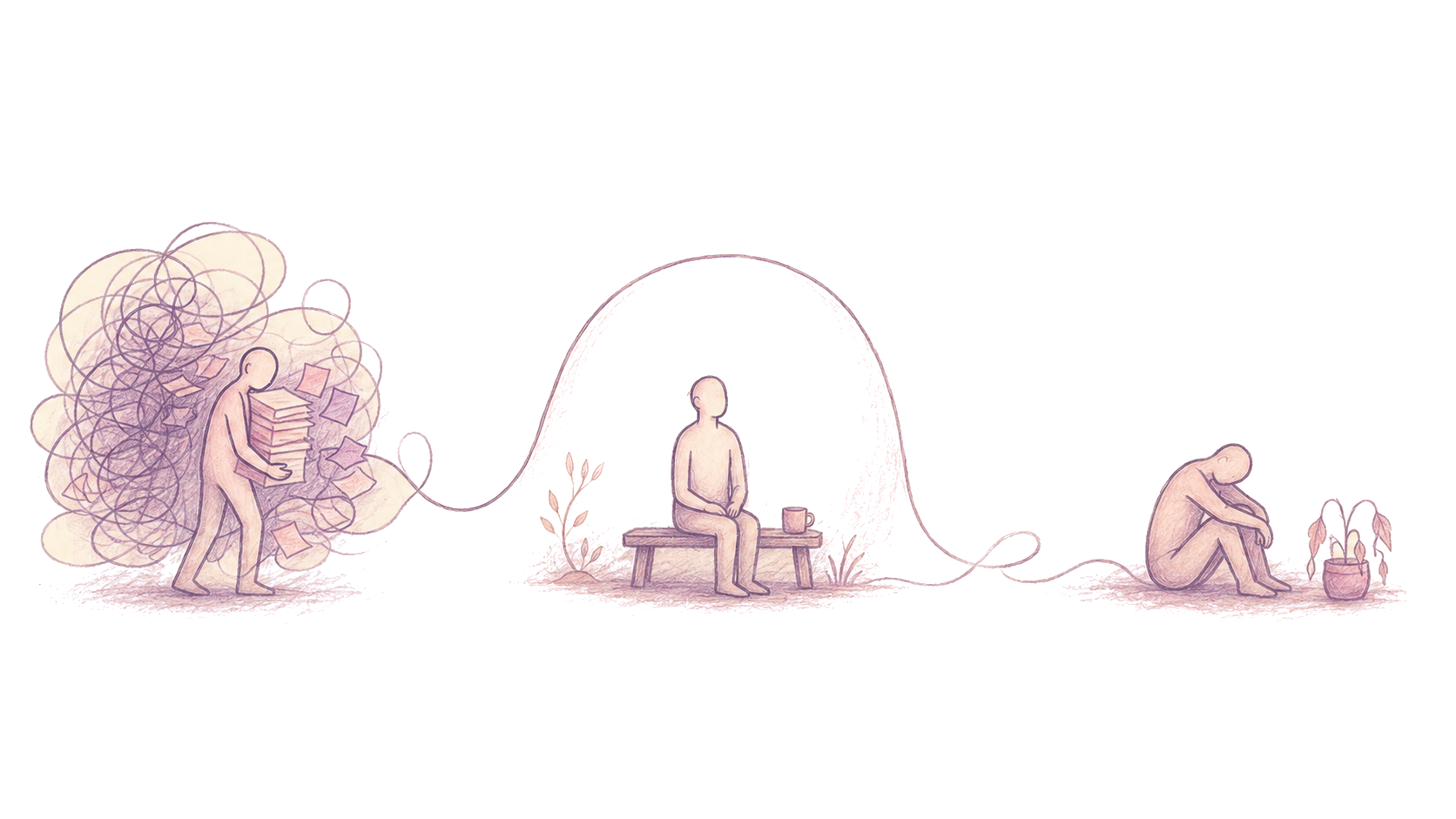
Wellbeing initiatives often stop at awareness. People learn what burnout is, but not what to do the following Monday, and rarely get a space to say how they are actually doing.
What I bring is clinical practice rather than a slide deck. Seven years of sitting with people through anxiety, exhaustion, difficult transitions and the ordinary weight of being human means the work stays practical, grounded, and free of jargon. The aim is that people leave with something they can use, and with a clearer sense that support is available if they want it.
Three starting points, each shaped around your organisation rather than delivered off a shelf.
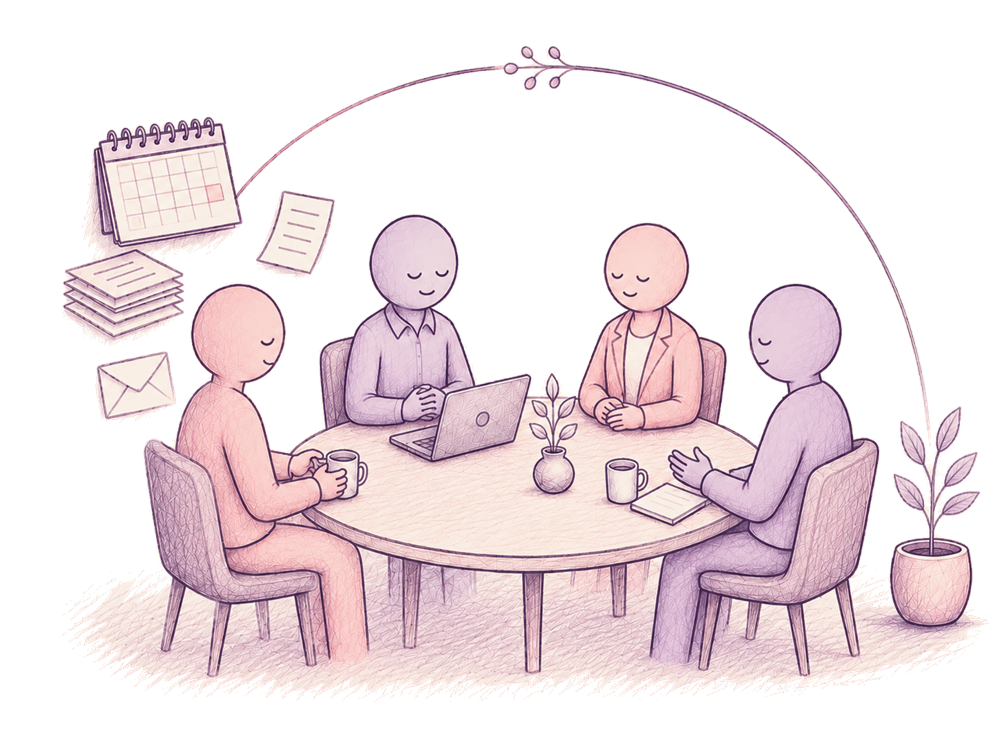
Interactive sessions for teams, built around a theme and shaped to your context. These are conversations rather than lectures, with room to reflect, ask, and practise. Suitable for whole teams, specific departments, or leadership groups.
Short, confidential individual slots offered on site or online across a day or half day. For many people the hardest part of getting support is arranging it. This removes that step, and is often used for wellbeing days or during periods of real pressure or change.
A single session rarely shifts much on its own. If you are looking for something ongoing, I can build a plan around your team: a series across months, work focused on managers and how they hold their people, a combination of the above, or something built for a specific moment your organisation is moving through.


Or bring a theme of your own.
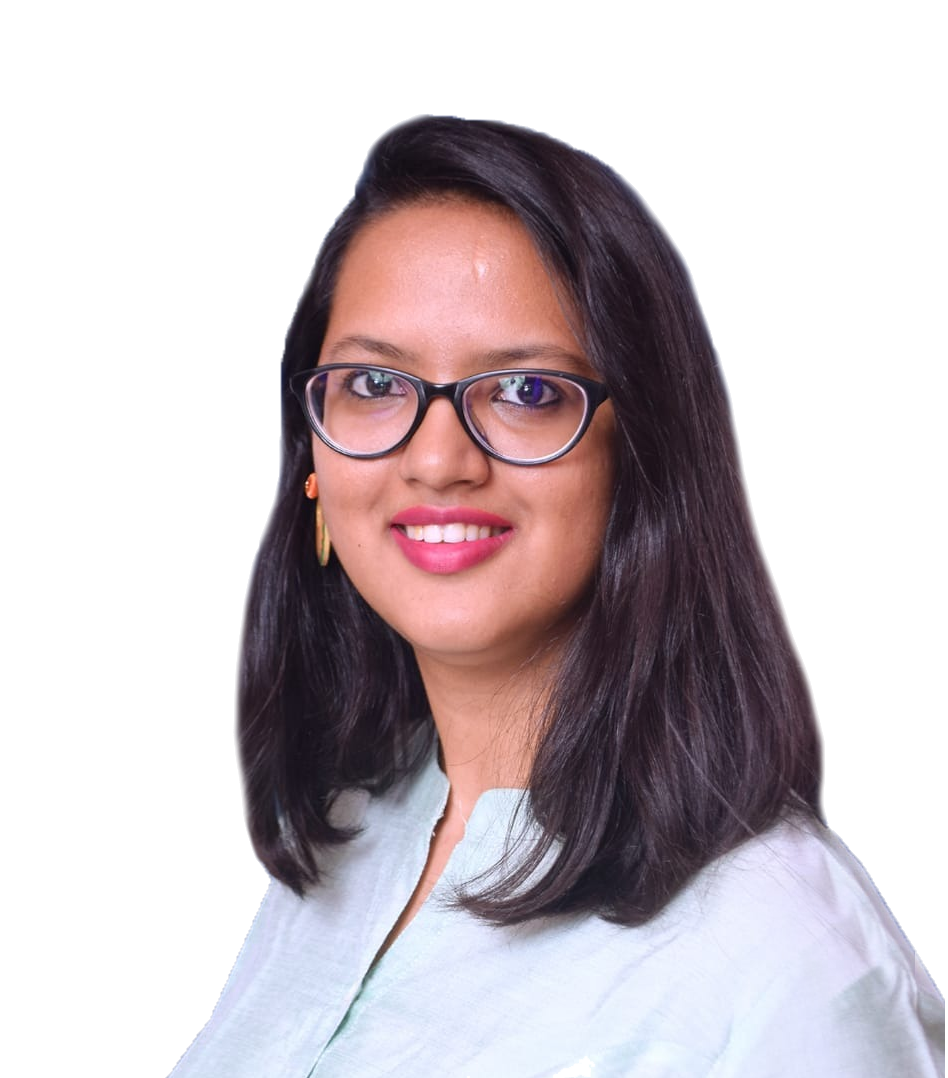
I am Harshita Sarda, a psychotherapist and clinical supervisor based in Andheri West, Mumbai. I hold an MA in Clinical Psychology, a Diploma in Counseling Psychology from Xavier's College, and a Diploma in Supervision for Mental Health Practice from TISS. I have completed a Queer Affirmative Practice course with Mariwala Health Initiative and training in complex trauma with the ISSTD.
My work is trauma-informed, queer-affirmative, intersectional, and neurodivergent inclusive. In practice that means the room is built for the people actually in it, not an average of them.
Workshops work well from small teams up to larger groups. Smaller groups allow more conversation, larger ones work better with a more structured format. Tell me your numbers and I will suggest what suits.
Both. In person in Mumbai, and online anywhere.
Usually between 60 and 120 minutes depending on the theme and the size of the group, though this is flexible.
No. What someone shares with me stays with them, and the organisation does not receive names, notes, or any account of what was discussed. Where it is useful I can share broad themes at a group level, with nothing that could identify a person. Limits to confidentiality include serious risk of harm, disclosure required by law, and anonymised discussion in my clinical supervision. These are explained before we begin and described in the Privacy Policy.
Yes, and it usually should be. The pressures in a hospital, a startup, and a law firm are not the same, and the session works better when it reflects that.
English and Hindi.
Please allow at least two weeks' notice so I can prepare thoughtfully for your team.
If any of this feels relevant to where your organisation is right now, I would be glad to hear from you. A first conversation is just that, a conversation, with no commitment attached.